How Veterans Can Cope with Survivor’s Guilt
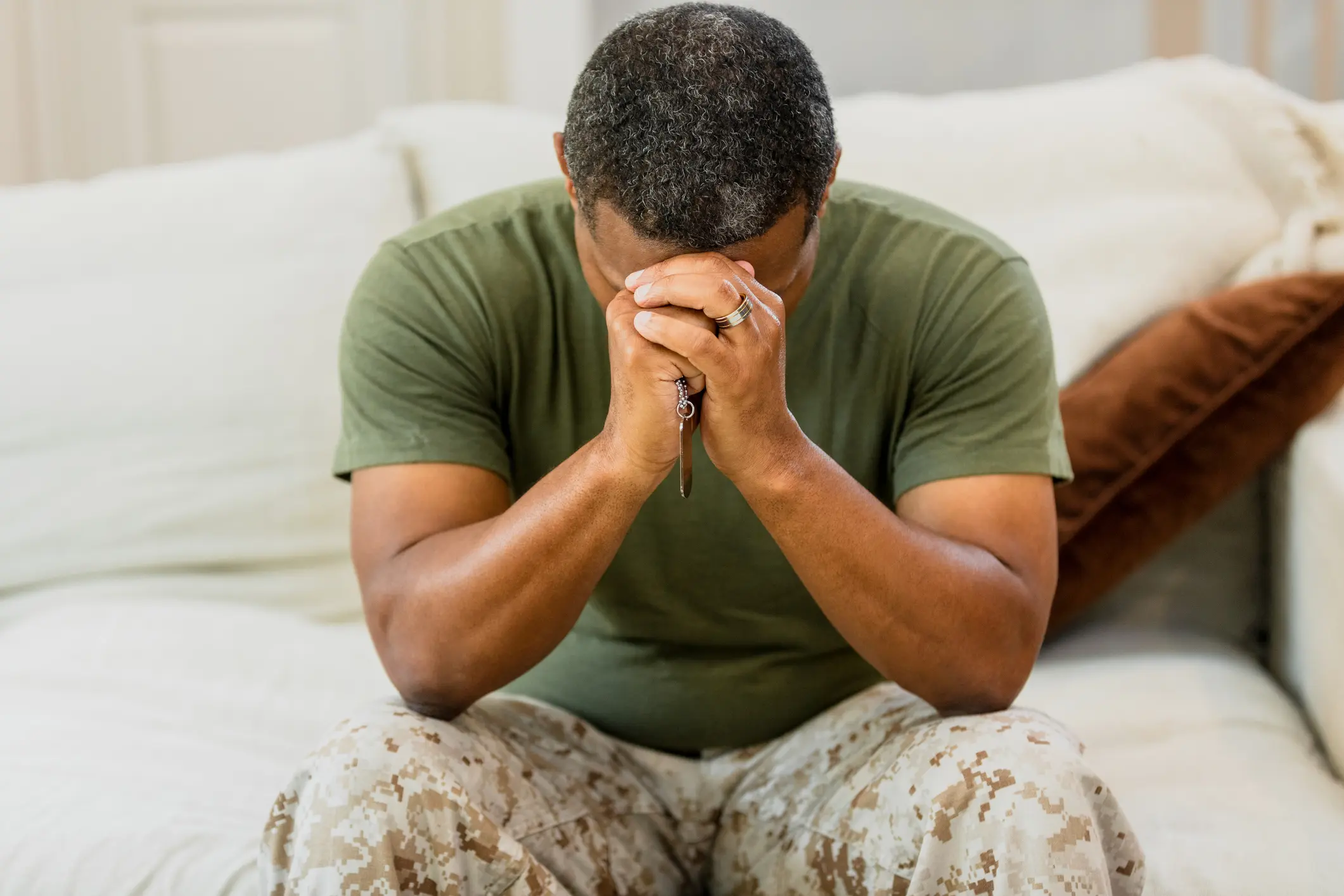
Survivor’s guilt is an often misunderstood yet profoundly impactful emotional experience, particularly prevalent among veterans. This feeling arises when someone has survived a traumatic event that others did not, leading to a complex mix of emotions including guilt, sadness and confusion. Understanding how to cope with survivor’s guilt is crucial for veterans’ mental health and overall well-being.
What is Survivor’s Guilt?
Survivor’s guilt is a psychological response to surviving a situation where others have died or suffered. It is common among veterans who have returned from combat zones. The condition is characterized by feelings of self-blame, sorrow and questioning why they survived while others did not. These emotions can be overwhelming and difficult to process.
Is survivor’s guilt a form of PTSD?
Survivor’s guilt is closely linked to Post-Traumatic Stress Disorder (PTSD), but they are not the same. PTSD is a mental health condition triggered by experiencing or witnessing a traumatic event, with symptoms that can include flashbacks, severe anxiety and uncontrollable thoughts about the event. While survivor’s guilt can be a symptom of PTSD, it can also exist independently. Understanding this distinction is important for recognizing and addressing the unique challenges veterans face.
Symptoms of Survivor’s Guilt
Recognizing the symptoms of survivor’s guilt is the first step toward managing it. Some common symptoms include:
- Intense feelings of guilt or remorse
- Anxiety or depression
- Intrusive thoughts about the event
- Difficulty sleeping or nightmares
- Loss of interest in activities once enjoyed
These symptoms can vary in intensity and may interfere with daily life, making it essential to seek help if they become overwhelming.
How to Cope with Survivor’s Guilt
Coping with survivor’s guilt involves a combination of self-help strategies and professional support. Here are some effective approaches:
1. Acknowledge your feelings
The first step in coping with survivor’s guilt is acknowledging your feelings. It is normal to feel guilty after surviving a traumatic event, but these feelings do not define your worth or the value of your life. Allowing yourself to feel and express these emotions is an important part of the healing process.
2. Seek professional help
Working with a mental health professional, such as a psychologist or counselor, can provide invaluable support. They can help you process your feelings, develop coping strategies and address any related mental health issues, such as PTSD or depression. Therapy options such as Cognitive Behavioral Therapy (CBT) or trauma-focused therapy can be particularly effective.
3. Connect with others
Talking to other veterans who have experienced similar feelings can be incredibly helpful. Support groups provide a safe space to share experiences and coping strategies, fostering a sense of community and understanding. Knowing you are not alone can significantly reduce feelings of isolation and guilt.
4. Practice self-care
Taking care of your physical and emotional well-being is crucial. Engage in activities that promote relaxation and stress relief, such as exercise, meditation or hobbies you enjoy. Maintaining a healthy lifestyle can improve your mood and provide a sense of routine and normalcy.
5. Focus on positive memories
While it’s natural to dwell on the negative aspects of a traumatic event, try to focus on positive memories and the meaningful relationships you have. Celebrating the lives of those who were lost can be a powerful way to honor their memory and find peace.
6. Volunteer or give back
Helping others can be a meaningful way to cope with survivor’s guilt. Volunteering for veteran organizations or community services can provide a sense of purpose and connection, transforming feelings of guilt into positive action.
The Importance of Veterans’ Mental Health
Understanding and addressing survivor’s guilt is a critical component of veterans’ mental health. Untreated survivor’s guilt can lead to more severe mental health issues, such as depression, anxiety or substance abuse. Early intervention and support can prevent these issues from escalating and improve the overall quality of life for veterans.
Practical Advice for Family Members
Family members play a crucial role in supporting veterans coping with survivor’s guilt. Here are some ways you can help:
- Encourage open communication: Create a safe and supportive environment where your loved one feels comfortable sharing their feelings.
- Educate yourself: Learn about survivor’s guilt and its symptoms to better understand what your loved one is experiencing.
- Promote professional help: Encourage your loved one to seek professional support and offer to assist them in finding resources.
- Be patient: Healing takes time, and it’s important to be patient and understanding throughout the process.
Get Help for Survivor’s Guilt in Kentucky
Survivor’s guilt is a challenging experience, but with the right support and coping strategies, veterans can navigate these feelings and find a path to healing. By acknowledging their feelings, seeking professional help and connecting with others, veterans can work towards a healthier mental state and honor the lives of those who were lost.
Remember, reaching out for help is a sign of strength, not weakness. If you or a loved one is struggling with survivor’s guilt or other mental health issues, don’t hesitate to seek support. Cumberland Hall Hospital, located in Hopkinsville, Kentucky, is here for you. Call us today at 270-517-1919 or visit our website to schedule an assessment and get the help you need.